
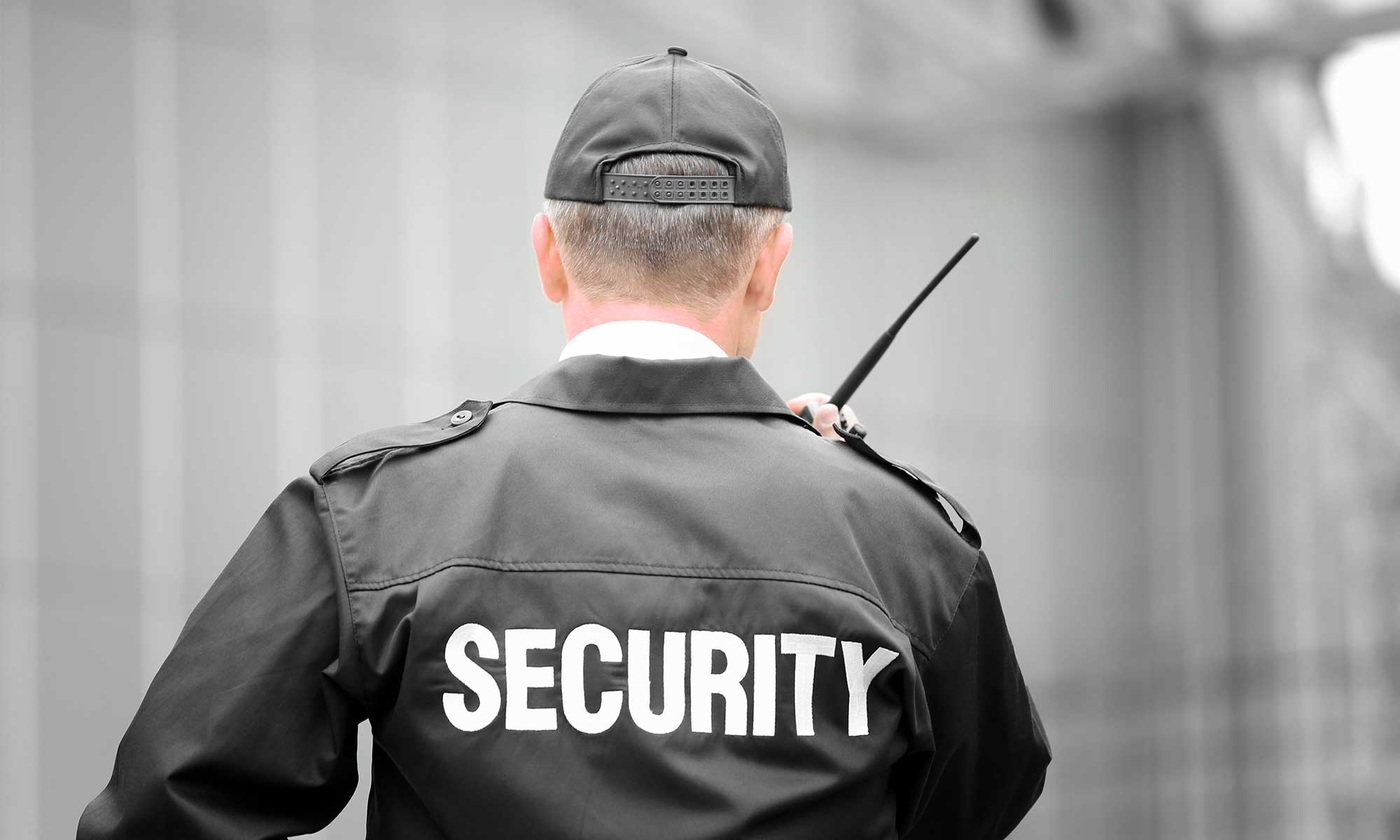
Senior care environments in 2026 face evolving safety challenges as resident needs, compliance standards, and external risks continue to grow. Assisted living communities are no longer just healthcare spaces; they are homes that require structured protection, proactive monitoring, and trained personnel to ensure daily operations remain calm, secure, and respectful for elderly residents and staff members alike.
Key Reasons Security Is No Longer Optional
- Increased resident vulnerability due to cognitive decline
- Higher regulatory expectations for safety compliance
- Greater foot traffic from caregivers, vendors, and visitors
- Rising concerns around unauthorized access and resident disputes
Assisted living security plays a vital role in preventing incidents before they escalate while preserving dignity and independence. Modern security programs combine trained guards, access control, and emergency preparedness to reduce risks without creating a restrictive atmosphere. Assisted living security also supports staff by handling safety-related situations professionally, allowing caregivers to focus on care delivery. As senior populations grow, assisted living security becomes a foundational element of trust, accountability, and operational stability across senior care facilities.
No responses yet